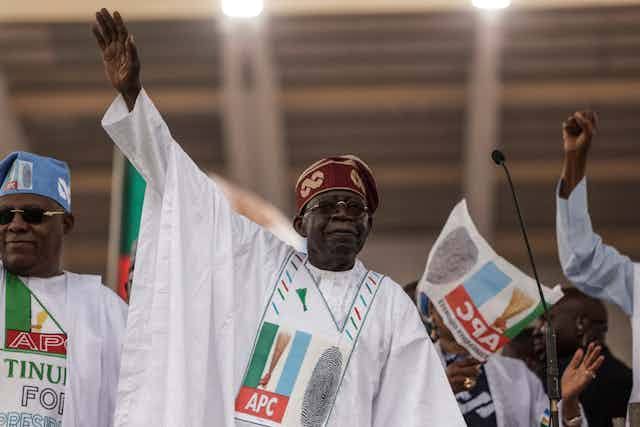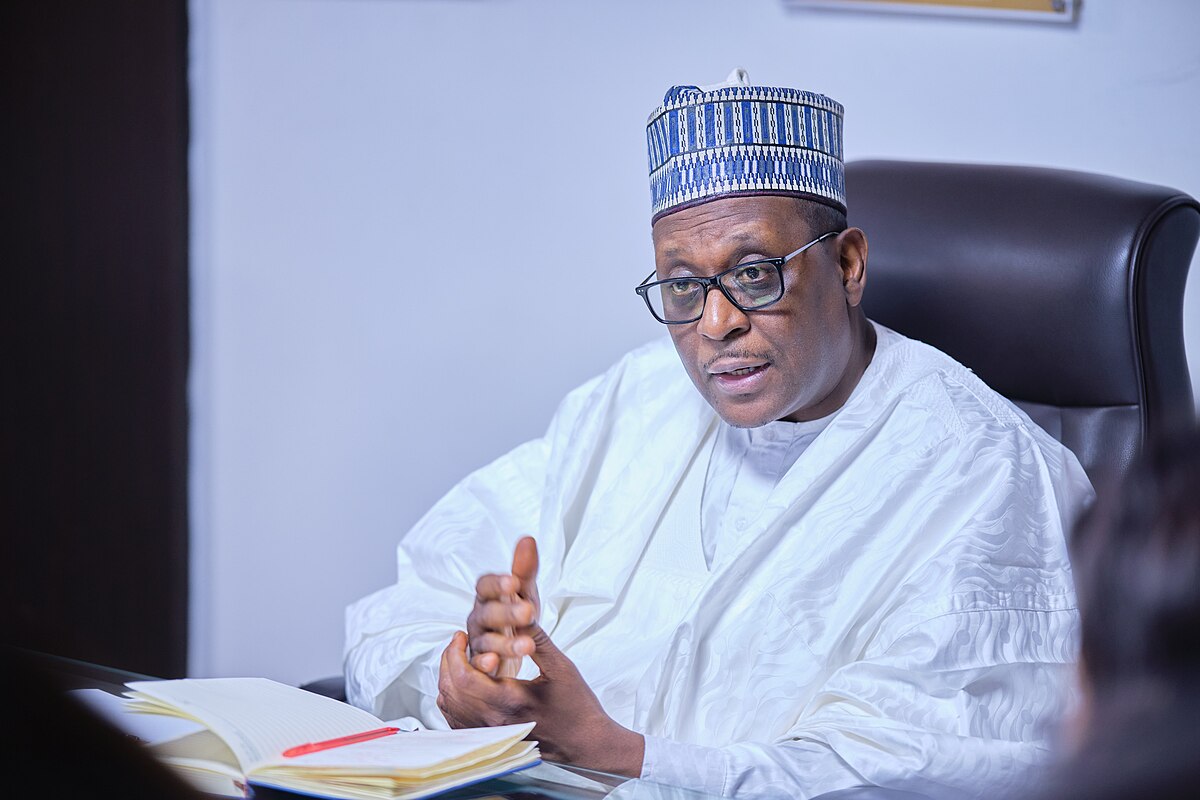

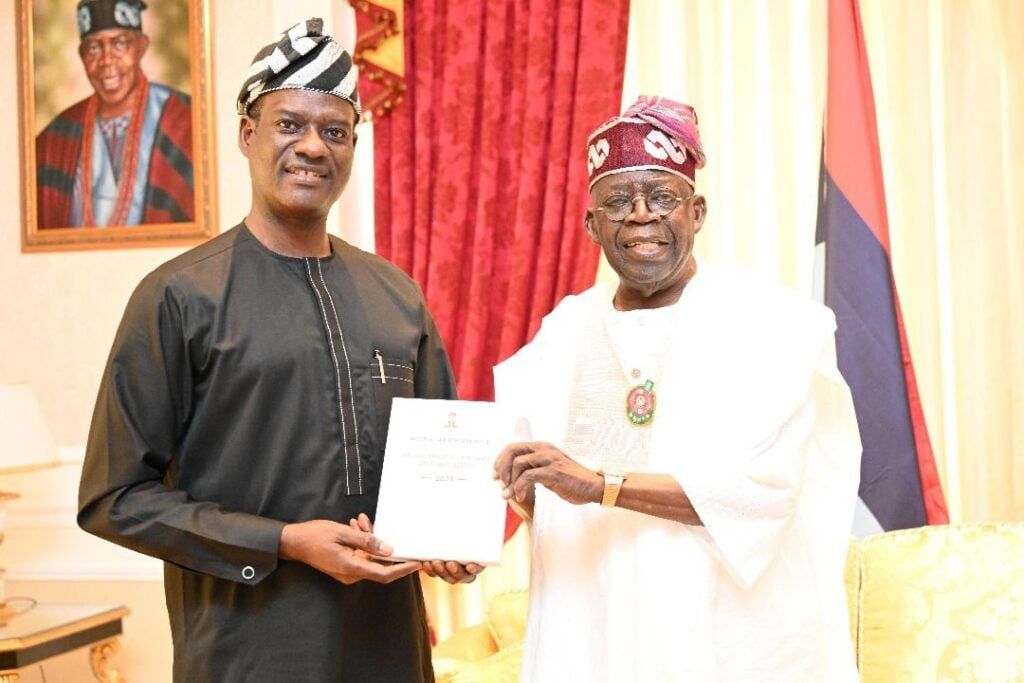
President Bola Ahmed Tinubu has nominated Taiwo Oyedele as Minister of State for Finance, replacing Doris Uzoka-Anite.
A statement by the president media aide Bayo Onanuga, on Tuesday, March 3, noted that Uzoka-Anite was redeployed to the Ministry of Budget and National Planning as Minister of State, marking her third portfolio in the current administration.
It also noted that Tinubu had conveyed Oyedele’s nomination to the Senate in a letter addressed to the Senate President, Godswill Akpabio, seeking his confirmation.
Oyedele’s appointment comes months after the National Assembly passed the administration’s tax reform legislations he spearheaded as Chairman of the Presidential Committee on Fiscal Policy and Tax Reforms.
The new tax laws, which overhaul Nigeria’s tax administration framework, were some of the most debated decisions of the Tinubu administration before their eventual passage.
The laws, which faced stiff opposition from federal lawmakers from the northern part of the country before their passage include the Nigeria Tax Act, the Nigeria Tax Administration Act, the Nigeria Revenue Service (Establishment) Act, and the Joint Revenue Board (Establishment) Act – all operating under a single authority – the Nigeria Revenue Service.
A native of Ikaram in Akoko, Ondo State, the 50-year-old economist and public policy expert holds a Higher National Diploma in Accountancy and Finance from Yaba College of Technology and a BSc in Applied Accounting from Oxford Brookes University.
The Presidency said he completed executive education programmes at the London School of Economics, Yale University, the Gordon Institute of Business Science, and the Harvard Kennedy School.
Oyedele spent 22 years at PwC, where he rose to become Fiscal Policy Partner and Africa Tax Leader. He is also a professor at Babcock University and a visiting scholar at the Lagos Business School.
As Minister of State for Finance, Oyedele will serve as the junior minister under the substantive Minister of Finance Wale Edun.
He is expected to support or lead the implementation of some federal fiscal policies, oversee aspects of revenue generation and tax administration, coordinate with agencies such as the Federal Inland Revenue Service (FIRS), assist in budget financing and debt strategy coordination, and liaise with the National Assembly on finance-related legislation.
Given his background in fiscal policy and tax reform, he would be expected to lead the smooth rollout of the new tax framework, improve revenue collection efficiency, reduce multiple taxation, balance federal and state revenue interests, strengthen investor confidence, and enhance transparency in public finance management.