
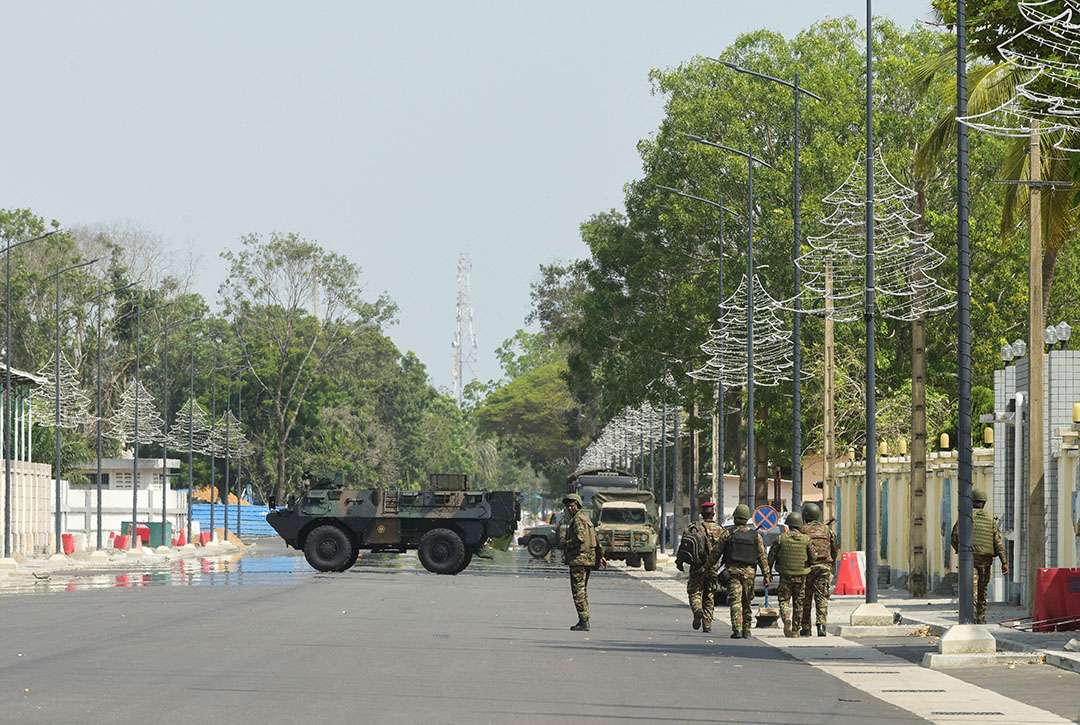
The Economic Community of West African States (ECOWAS) acted swiftly to disrupt an attempted coup in Benin. In the early hours of December 7, 2025, mutinous Soldiers appeared on Beninese state television and announced their putsch after seizing the national broadcasting station in Cotonou.
Beninese loyalist forces initially repelled the assault, yet authorities requested regional support to manage the situation and prevent civilian harm. Speaking on the margins of an ECOWAS meeting in Abuja on December 12, Beninese Foreign Minister Olushegun Bakari explained the rationale for the appeal.
“We sought support not because our army was incapable, but because President Patrice Talon wanted to avoid heavy loss of life,” Bakari said. He stressed the government’s commitment to minimizing needless civilian casualties.
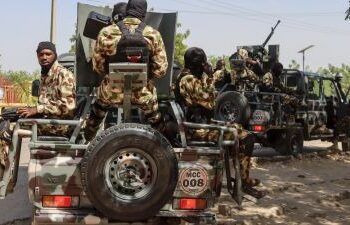
At Talon’s request, Nigerian fighter jets scrambled to patrol Benin’s airspace and launched targeted attacks against the seditious Soldiers holed up at the TV station and at Camp Togbin military base near Cotonou airport. ECOWAS also deployed Soldiers from Côte d’Ivoire, Ghana, Nigeria, Sierra Leone, and other partners under its Standby Force framework.
Within nine hours, government officials declared an end to the uprising. Talon later appeared on state television to assure citizens of the return of peace and stability. He credited the rapid mobilization of regional forces that “allowed us to thwart these adventurers.”
The failed coup in Benin marked the eighth such attempt in West Africa in recent years. Since 2020, 11 coups across Africa have succeeded, the majority in the Sahel, while Benin recorded the fifth failed takeover over the same period.
West Africa analyst Paul Melly observed that the Benin incident differed from previous coups within ECOWAS member nations. He noted that Talon remained in full control during the crisis, creating favorable circumstances for decisive intervention.
Ryan Cummings, a political analyst, told international media that the perpetrators misjudged public desire for regime change. “Not all the armed forces were on board,” he said, pointing to divisions within the army that provided a narrow window for ECOWAS to deploy.
In the aftermath, Nigerian Foreign Minister Yusuf Tuggar urged ECOWAS members to sustain regional cooperation to protect constitutional order. He described the coordination that preserved democracy in Benin as a model for future responses.
Experts encouraged ECOWAS to work proactively to bolster democratic principles and hold members accountable when lapses occur. Cummings said the bloc “wanted to remind the region that it does have the power to intervene when the context allows.”
ECOWAS, he added, demonstrated renewed resolve. “At some point, there needed to be a line drawn in the sand.”