
Former Anambra State governor and 2023 presidential candidate, Peter Obi, has criticised the management of Nigerian highways, saying poorly located security checkpoints reflect a clear failure of governance and put travellers at risk.
In a statement issued on Sunday, January 11, 2026, Obi said his concerns stem from personal experiences while travelling across major roads during the festive season. He described widespread gridlock that disrupted journeys and caused severe hardship for thousands of commuters.
Obi rejected the idea that traffic congestion is a minor issue. He stressed that a country’s transport system mirrors the quality of its leadership and directly affects citizens’ daily lives.
“Some may see these concerns as trivial, but every detail matters because they shape how people live and move,” he said.
He noted that congestion became so severe in some areas that travellers headed to far destinations abandoned their trips after spending hours in traffic. According to him, badly positioned security checkpoints remain a major cause of the delays.
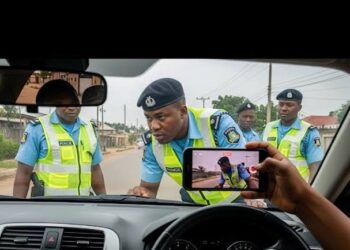
While acknowledging the need for security checks, Obi described the placement of checkpoints at narrow sections of roads and construction zones as irresponsible. He warned that such practices create safety and security risks.
“These avoidable delays exhaust drivers and increase the chances of road accidents,” he said.
Obi also warned that prolonged stoppages push travellers into night journeys, when incidents of robbery and kidnapping are more common.
“People who start their trips early end up on the road after dark due to long delays, exposing them to greater danger. Security should protect lives, not place them at risk,” he added.
To address the situation, Obi urged security authorities to adopt a more coordinated and technology-driven approach to highway surveillance. He called for checkpoints to be moved away from bottlenecks and construction areas, faster inspections during peak travel periods, and better inter-agency coordination to avoid repeated stops along the same routes.
He concluded by calling for a more humane approach to public service, noting that such reforms would make Nigeria’s roads safer for everyone.