The United Nations has raised the alarm over the escalating violence in northern Mozambique, which has forced nearly 300,000 people from their homes in recent months.
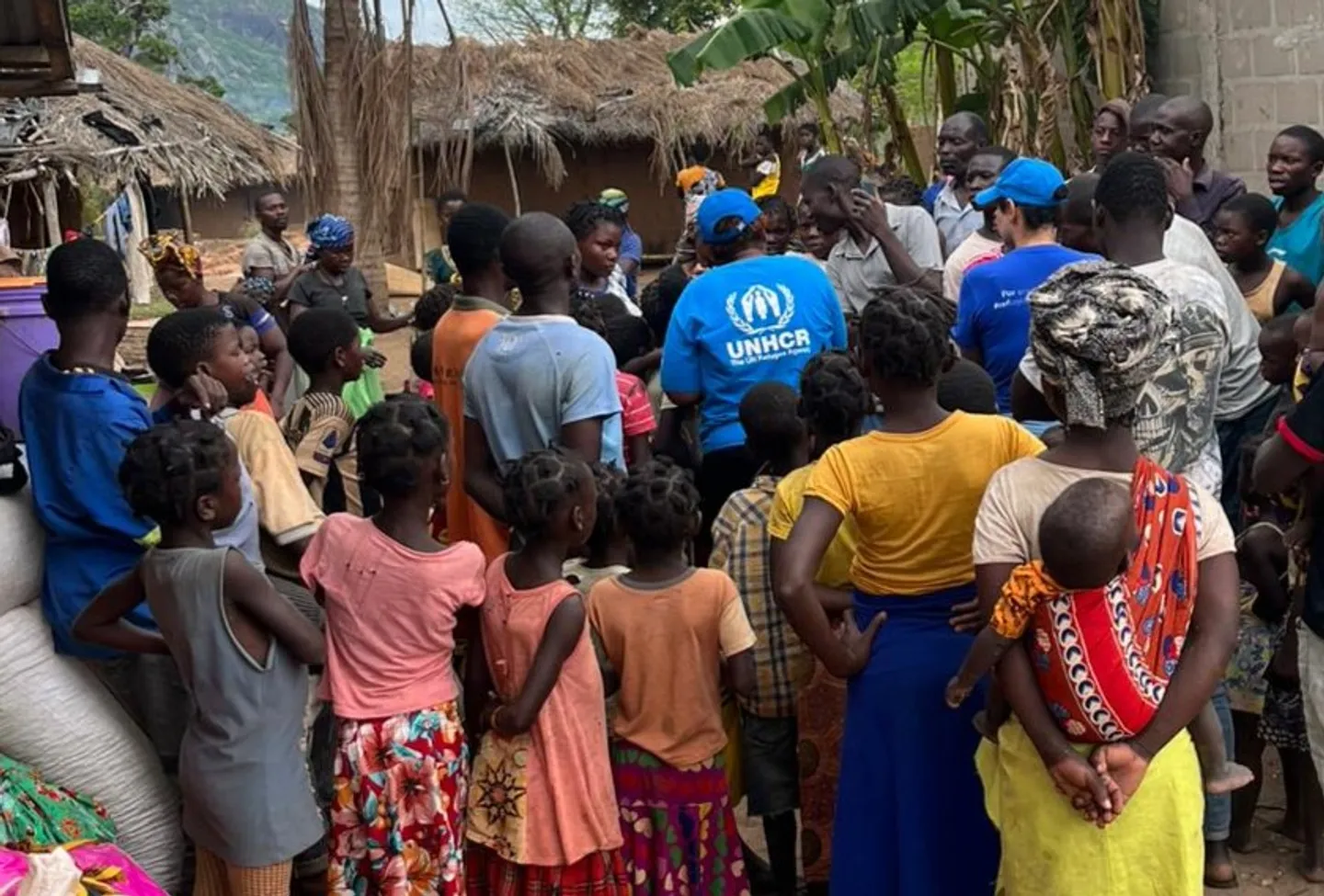
The UN refugee agency, UNHCR, said attacks in Cabo Delgado province are increasingly spilling into previously secure districts, overwhelming humanitarian operations and exposing vulnerable populations, especially women and children, to heightened risks.
According to the Armed Conflict Location & Event Data Project (ACLED), the insurgency in Cabo Delgado has claimed more than 6,200 lives, with violence now spreading into the neighboring Nampula province.
UNHCR reported that almost 100,000 people have fled the region in just the past two weeks. Over the last three months, at least 287,000 people have been registered as displaced, UNHCR representative Xavier Creach told reporters in Geneva. He added that the actual number is likely higher, estimating a minimum of 300,000 displaced since July.
The agency warned of “intensifying attacks on villages” and a rapid expansion of the conflict into areas that were once considered safe, making humanitarian access increasingly difficult. Creach described the situation as “very challenging,” noting that the collective humanitarian response is currently insufficient.
“Humanitarian actors cannot sustain the response without additional support and resources,” UNHCR said, urging urgent international assistance.
Since the insurgency began in 2017, over 1.3 million people have been displaced in Mozambique, according to UNHCR figures.
Women and girls are facing new threats, particularly as the crisis coincides with the global 16 Days of Activism against gender-based violence. Overcrowded shelters lacking lighting and privacy leave them exposed to sexual and gender-based violence, while older adults and people with disabilities struggle in inaccessible conditions.
Children are arriving at displacement sites “exhausted, traumatised, and weakened,” often separated from their families, Creach said. Humanitarian teams are working to reunite families and provide essential services, including counseling, mobility devices, and dignity kits, but resources are dwindling.
Funding for 2025 covers only about half of UNHCR’s requirements, even as needs continue to rise sharply. Recent weeks have seen all 17 districts of Cabo Delgado affected, with approximately 22,000 people displaced in a single week.
The surge in violence has created one of the region’s worst humanitarian crises in years, placing immense pressure on food, water, and essential services.