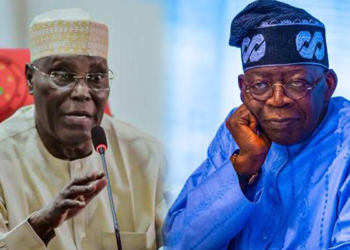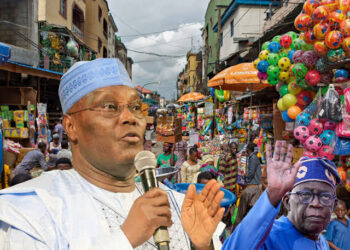

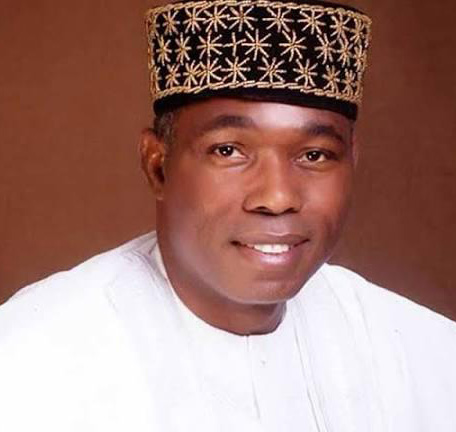
A chieftain of the Social Democratic Party (SDP), Prince Adewole Adebayo, has dismissed claims that Nigeria’s opposition space is shrinking ahead of the 2027 general elections, insisting that the real test of democracy lies with the electorate, not the number of incumbents in office.
Speaking in an interview, Adebayo argued that the growing dominance of the ruling All Progressives Congress (APC) should not be mistaken for genuine political strength. According to him, democracy is ultimately defined by public sentiment, not by how many governors or lawmakers a party controls.
“What matters is whether Nigerians feel better about governance and leadership, not how many governors or senators a party controls,” he said, adding that “if you look in those directions, the government of the day is in serious trouble.”
Adebayo downplayed ongoing mergers and defections involving opposition parties such as the African Democratic Congress (ADC), describing them as distractions from the core issues facing the country. He maintained that the SDP remains rooted in its ideological principles, distancing itself from what he termed the “politics of incumbency” and opportunistic alliances.
He argued that frequent defections among politicians reflect weak ideological grounding rather than meaningful political evolution.
“If all 36 governors move to one party, it is not my business. What matters is the quality of leadership and whether they are solving Nigeria’s problems,” he said.
He further criticised major parties, including the APC and the Peoples Democratic Party (PDP), describing them as part of a “relay of inefficiency” with similar origins and governance failures.
The SDP leader stressed the need to move away from personality-driven politics to issue-based engagement focused on insecurity, poverty, and governance.
He also took aim at what he described as hypocrisy among political elites—individuals who held power for years without implementing meaningful reforms but now present themselves as agents of change.
Adebayo called for a sweeping overhaul of Nigeria’s legislative leadership, aligning with reform advocacy under the “FixNass” movement, which seeks to replace most incumbents in the National Assembly.
“Nigeria needs a new National Assembly with virtually no incumbent returning,” he said.
Declaring his intention to contest the presidency again, Adebayo said he is aiming for a broad-based national mandate, contrasting it with what he described as narrow electoral victories in previous elections.
He was critical of President Bola Ahmed Tinubu’s administration, accusing it of weak economic management, worsening insecurity, and a lack of inclusive governance. According to him, the administration’s performance will ultimately shape voter decisions in 2027.
“The next president must have a deeper connection with the people and ensure wider voter participation,” he said, adding that he hopes to secure “at least 40 million votes.”
Adebayo dismissed concerns that Nigerians are unable to distinguish between political parties, insisting that citizens are more interested in practical solutions than party labels.
He urged political actors to focus on policies that address everyday challenges—security, employment, healthcare, and education—rather than relying on ethnic sentiments or personality-driven campaigns.
On campaign financing, Adebayo said the SDP does not subscribe to “money politics,” stressing reliance on grassroots support and small contributions from members.
He reiterated the party’s commitment to credible elections, rejecting vote-buying and manipulation.
“We believe in people’s politics. We don’t know how to cheat or rig elections,” he said.
Looking ahead, Adebayo described the 2027 election as a potential turning point for Nigeria, urging citizens to take an active role in shaping the country’s future.
“There is no more room for insecurity, poverty, unemployment, and failing infrastructure. Nigerians must change direction,” he said.