
Religious intolerance and hostility toward same-sex relationships continue to shape patterns of violence against minority groups in Nigeria. Over the past two decades, analysts have linked these tensions to broader insecurity across the country.
Extremist narratives have also played a role. Groups such as Boko Haram have long opposed Western education and social norms, reinforcing rigid ideologies that reject diversity and deepen division.
Rising hostility and weak enforcement
Across several regions, reports of violence targeting individuals perceived to belong to the LGBT community remain deeply concerning. In many cases, victims face harassment, displacement, and, at times, fatal attacks, often without visible government intervention or thorough police investigation.
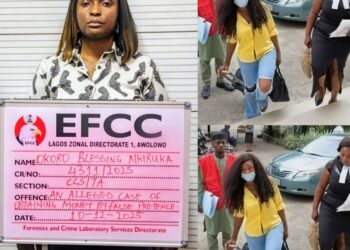
In April 2024, a widely discussed case in Abuja involved two women, Miss Joyce Okosun Okoduwa and Miss Blessing Oligbi. The incident, which reportedly occurred in a conservative community, led to the death of Miss Joyce Okosun Okoduwa, while Miss Blessing Oligbi’s whereabouts remain unclear. Though details remain disputed, the case reflects the dangers associated with accusations tied to sexual orientation.
Observers say such incidents are not isolated. Instead, they point to a pattern where fear, stigma, and weak law enforcement combine to leave victims vulnerable.
Widening insecurity and bandit violence
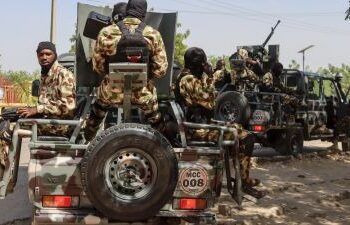
Beyond ideological and social tensions, Nigeria continues to face persistent violence from armed groups, particularly bandits operating in parts of the North-West and North-Central regions.
In April 2024, several communities in Zamfara State reported deadly raids linked to armed bandits. Residents described coordinated attacks on villages, resulting in multiple deaths and displacement.
Earlier, in March 2024, parts of Kaduna State also recorded violent assaults that left dozens dead. Local sources said entire communities were forced to flee as attackers moved from one settlement to another.
These incidents add to a growing pattern of attacks on rural areas where security presence remains limited. Survivors often report delayed responses from security agencies, allowing attackers to operate with little resistance.
Security analysts warn that the persistence of bandit violence reflects deeper structural challenges. These include weak enforcement, poor intelligence coordination, and longstanding socio-economic grievances.
While banditry differs from ideological extremism, both contribute to a broader climate of fear. This environment often overlaps with social tensions, leaving vulnerable groups at even greater risk.
Rumours, stigma, and social pressure
Lesbianism remains a sensitive and often misunderstood subject in many parts of Nigeria. Individuals suspected, whether the claims are proven or not, often face immediate judgment shaped by rumours and public assumptions.
In some cases, those accused are denied the chance to defend themselves. Community reactions can be swift, leaving little room for verification or fairness.
Reports on gender-based violence highlight how accusations related to sexual orientation intersect with other forms of abuse. Studies by organizations such as Human Rights Watch and the International Gay and Lesbian Human Rights Commission show that women perceived to be lesbians have faced threats, coercion, and social exclusion.
Patterns of abuse and displacement
What often begins as private suspicion can escalate quickly. Rumours spread within neighbourhoods, sometimes driven by personal disputes or misunderstanding. Those involved may suddenly find themselves at the centre of unwanted attention.
In several reported cases, women have been forced to flee their homes for safety. Others have faced harassment, exploitation, or intimidation. Some accounts suggest that individuals close to the accused were also targeted, though many details remain unclear or disputed.
In a separate incident in southwestern Nigeria, a group of women were reportedly subjected to public shaming after allegations about their private lives surfaced. Local accounts described intimidation and pressure from community members.
Although many of these cases are not fully documented, they reflect a broader climate where accusation alone can trigger serious consequences.
A climate of fear and silence
Experts warn that misinformation and social pressure continue to drive these situations. Once a narrative spreads, it becomes difficult to correct, even when evidence is weak or conflicting.
For many affected individuals, silence becomes a survival strategy. Some leave their communities quietly, seeking safety elsewhere and abandoning their homes, work, and support systems.
International concern grows over Nigeria’s security crisis
Nigeria’s worsening security situation is also drawing increasing international attention.
In April 2026, lawmakers in the United States proposed a measure to withhold up to 50 percent of financial assistance to Nigeria unless the government demonstrates concrete steps to address violence and protect civilians.
The proposal, contained in a U.S. foreign assistance bill, links aid disbursement to accountability, improved security responses, and support for victims of violence.
If implemented, the policy would place Nigeria under stricter oversight, reflecting growing concern in Washington over persistent attacks, displacement, and weak enforcement mechanisms.
Although the Nigerian government has rejected claims of targeted persecution and maintains that insecurity is driven by complex factors, the move signals rising global scrutiny of the country’s internal security challenges.
The need for accountability
Human rights advocates stress that every individual deserves dignity, protection, and fair treatment under the law. They caution that acting on unverified claims not only endangers lives but also creates opportunities for further abuse.
These recurring patterns highlight a deeper issue within society. When rumours replace facts and fear overrides justice, vulnerable groups face the greatest risk.
Addressing this challenge requires stronger law enforcement, public awareness, and a commitment to protecting the rights of all citizens, regardless of identity or belief.